Prairieville Animal Hospital Animal Hospital: Flu Prevention for Pets
@travisipsa171
Caring for pets means watching for subtle shifts in energy, appetite, or behavior that might signal a respiratory squall building in the background. At Prairieville Animal Hospital, we see flu-like illnesses in dogs and cats less often than in people, but when they appear they are not trivial. The word flu carries with it a specific set of concerns for veterinary teams and pet families alike. This article pulls from real-world practice, practical observation, and the kind of routine that earns trust over years of visits. Flu prevention is not a single action but a sequence of small choices that add up to healthier companions and fewer trips to the waiting room.
The respiratory landscape for pets is diverse. Canine influenza virus and feline upper respiratory viruses each have their own rhythms, transmission routes, and signs. Dogs with flu may show coughing that lingers, a runny nose that seems persistent, and sometimes a fever that appears out of proportion to the day. Cats might present with sneezing, ocular discharge, or a general sense of malaise that makes a familiar routine feel “off.” The impression most owners walk away with after a sick pet is clear: prevention is better than treatment, and prevention is built through consistent, informed choices rather than dramatic, one-off measures.
Before you implement changes in your home, a quick nod to the practical reality: your veterinarian has a pivotal part to play. A clinic like Prairieville Animal Hospital brings a context of local epidemiology, the right vaccines, and knowledge of the communities we serve. We work with families to tailor prevention plans that fit lifestyle, housing, and the animal’s age, breed, and health status. The goal is not a universal shield but a personalized, workable approach that keeps your dog or cat thriving through seasons when respiratory illnesses are most likely to surface.
Vaccination stands at the center of preventive strategy for canines, and it includes protection against influenza strains that have proven problematic in dog populations. Vaccines require scheduling. A typical plan begins with a primary series followed by booster doses at clinically determined intervals. On the cat side, influenza is less common, but other respiratory viruses deserve attention, and vaccination or targeted prevention can be discussed depending on risk factors such as boarding, agility events, or multi-pet households. The hospital team at Prairieville Animal Hospital will explain what vaccines your pet may benefit from, how they work, and what you should observe after a vaccination in terms of reaction and comfort. A thoughtful discussion about vaccines is not about fear; it’s about clarity, consent, and steady protection.
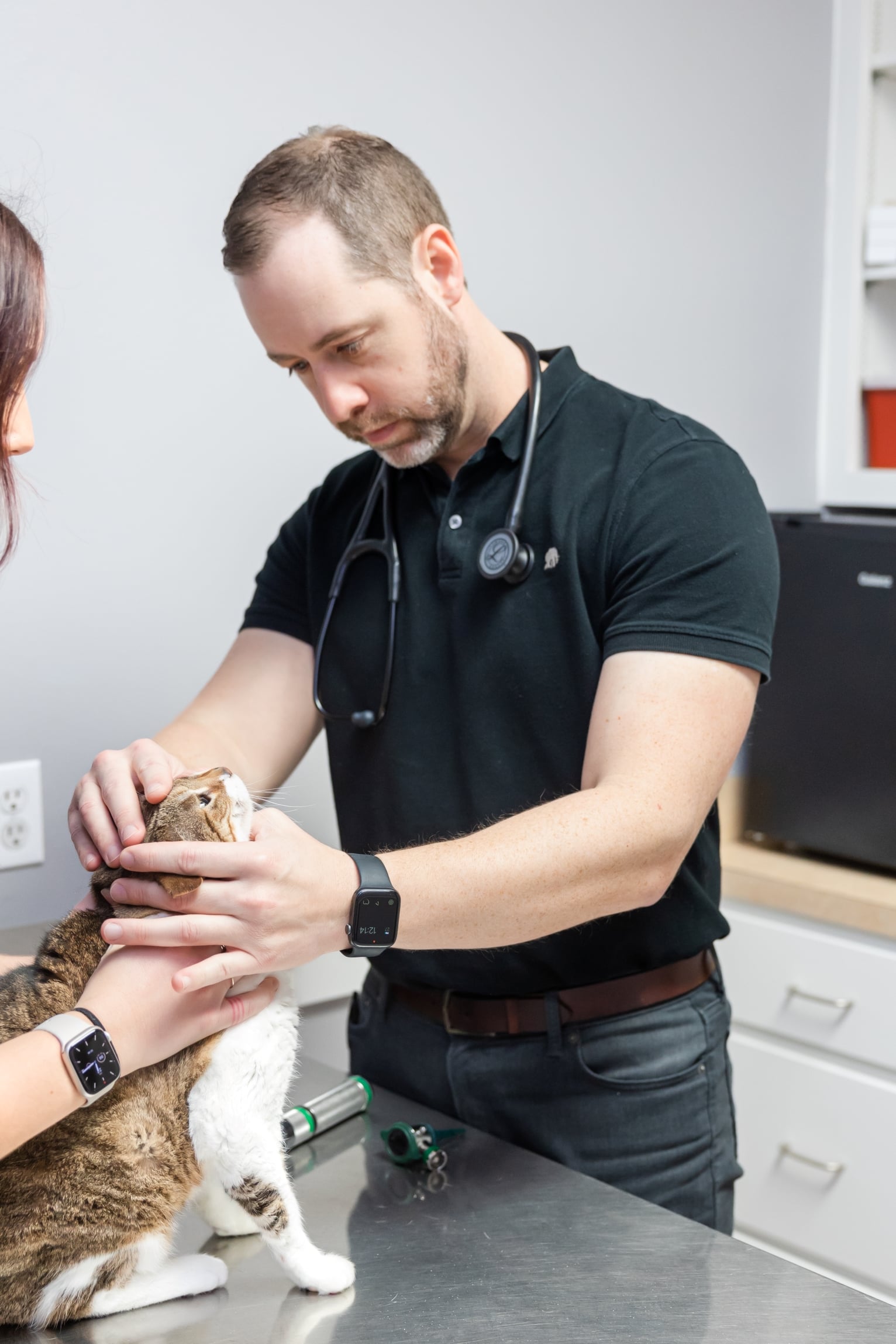
The home environment is a theater of infection control. Pets live where people live, breathe the same air, and share the same doorways. The way a family moves through doors, the frequency with which towels or blankets are washed, and the way grooming and play are structured all influence the odds of transmission. The aim is to limit exposure to contagious droplets, to practice good hygiene, and to keep pets moving in and out of situations that could stress their immune systems. The practical reality is that we never control every variable, but we can influence the big ones.
In practice, flu prevention requires a steady rhythm of attention. It means planning ahead for boarding or daycare, considering the timing of vaccinations, and maintaining a healthy environment that supports the natural defenses in dogs and cats. It also means recognizing the non-obvious factors that tip the scales. A pet in a household with someone who smokes, for example, or a pet that experiences ongoing stress from a busy home, may benefit from a more proactive approach to respiratory health. The long view is this: prevention is a journey, not a single checkpoint.
The following sections describe concrete strategies drawn from everyday clinics, with examples that reflect the realities you face at home. The goal is to empower you to make better decisions for your companion without turning prevention into a chore or a mystery.
Mind the Basics: Recognize and Respond
Canine influenza is a respiratory illness spread through droplets when an infected dog coughs, sneezes, or shares water bowls and toys. It travels through close contact and can spread quickly in kennels, parks, and grooming facilities. The signals can be subtle at first. A dog might be unusually tired, a little less enthusiastic about a walk, or show a dry, hacking cough that seems disproportionate to a single cold. In some cases, fever, nasal discharge, or reduced appetite appear. The veterinary team at Prairieville Animal Hospital emphasizes that if a cough lasts more than a few days, or if other symptoms join in, it’s time to seek professional advice. Early assessment helps prevent more serious complications, especially in puppies, older dogs, or dogs with chronic conditions.
Cats are not just small dogs in a fur coat; their immune and respiratory systems have distinct needs. Cats can suffer from upper respiratory infections that resemble flu in humans, with sneezing, ocular and nasal discharge, and sometimes fever. The presentation can resemble allergies or a cold, which makes vigilance essential. A cat with a reduced appetite or lethargy deserves a call to the clinic, even if the nose is not running. The aim is not to chase every sniffle but to distinguish a routine sniffle from a developing illness that could require treatment.
Two lines of defense matter most here: vaccines where indicated and responsible day-to-day hygiene. Vaccinations reduce the risk of severe illness and can reduce the chance of an outbreak inside a household or a community setting. Hygiene reduces viral load in the environment, which lowers exposure for every animal in the home and across social circles.
The practical reality of daily life means that families should be mindful of how often they bring dogs into high-contact settings where influenza spreads. Training classes, dog parks, and boarding facilities are common exposure points. When plans require social exposure, owners should consider vaccination status, recent health history, and the timing of activities. If you are unsure about the risk level for a particular activity, a quick check-in with Prairieville Animal Hospital can help you decide whether to proceed or modify plans.
Two lists offer quick reference points you can keep on the fridge or in your phone notes. They are designed to fit neatly into busy days, not to replace a conversation with your veterinarian.
When to contact a veterinarian
- A cough lasting more than a week or accompanied by fever or lethargy.
- Nasal or ocular discharge that worsens or changes color.
- Decreased appetite, persistent vomiting, or signs of dehydration.
- Breathing that sounds labored or irregular.
- A pet with known health issues or an older animal showing new respiratory symptoms.
Ways to reduce exposure
- Limit shared water bowls and ensure toys are cleaned between uses in multi-pet households or in board-and-train settings.
- Schedule vaccinations and boosters ahead of time for pets that will be in high-contact environments.
- Avoid crowded events during peak respiratory seasons when possible.
- Practice good hand hygiene after handling animals or cleaning enclosures and before touching a different pet.
- Maintain a clean living environment with regular grooming, bedding changes, and indoor airflow that supports respiratory health.
What to Expect at the Veterinary Visit
A visit to Prairieville Animal Hospital for flu concerns is typically straightforward, but it benefits from a measured approach. The veterinarian will start with a careful history. They ask about exposure to other animals, recent travel, and any changes in appetite, energy, or behavior. A physical examination follows, focusing on the respiratory system, including listening to the lungs and checking the heart rate and temperature. In many cases, a simple history plus exam will guide the next steps, which could be a plan for symptomatic treatment at home, a short course of anti-inflammatory or cough-suppressant medication, or a recommendation for diagnostic testing if the illness seems more complex.
Diagnostic testing might range from a basic blood panel to rule out other causes of fever, to a nasal or throat swab if an infection is suspected. In practice, do not be surprised if the clinic suggests a short course of supportive care at home while monitoring progress. Some illnesses improve within a few days with rest, fluids, and rest, while others require more targeted therapy. The goal is clear: avoid unnecessary medications when recovery is imminent, and escalate appropriately when recovery stalls.
No care plan is complete without a conversation about comfort and monitoring at home. You should track appetite, energy, nasal discharge, coughing or sneezing frequency, and the overall demeanor of your pet. If a dog develops a persistent cough after playing in a social setting, you want to document the timeline and any other symptoms so your veterinarian can assess whether a mucusy discharge, a fever spike, or signs of dehydration have emerged. A cat that stops eating for more than 24 hours, or one that shows signs of breathing difficulty, warrants prompt veterinary attention. The most important message here is that subtle changes can be early warnings. A quick call to Prairieville Animal Hospital can help you decide whether to come in for a check and what steps to take next.
Seasonal considerations give flu prevention its rhythm. The winter and early spring months often come with a higher prevalence of respiratory infections in the canine population, while indoor living can influence the incidence in cats as well. The clinic notes patterns across years, but they also recognize that each year has its own texture. Local risk varies with things like pet density in boarding facilities, the presence of mixed-species households, and even the weather. A dry spell in the air or a surprising cold snap can change how infections spread and how pets respond to them. This is why prevention is not a static plan. It is a living, evolving set of practices that adapt to the calendar and to the unique character of your household.
Vaccination as a Core Element
Vaccines do not guarantee immunity, but they significantly reduce the severity of disease and the risk of transmission. The veterinary team at Prairieville Animal Hospital will explain the vaccines that are relevant to your pet and the recommended schedule. For dogs, influenza vaccines are often part of a broader canine core protection plan and may be recommended for pets with a high risk of exposure. For cats, while influenza vaccines are not as routinely required as for dogs, other vaccines and preventive measures play a vital role, particularly for pets that travel to multi-pet events or share spaces with large numbers of animals.
A vaccine conversation is never about fear. It is about balancing risk and benefit with clear information. The details of when to vaccinate, how often to booster, and what to do if a patient has a history of vaccine reaction are all part of a responsible veterinary practice. In the real world, there are exceptions. Some pets with certain medical conditions might not be ideal candidates for vaccination. In those cases, doctors will recommend alternatives, such as environment-focused prevention, careful screening before visits to high-risk environments, or tailored timelines that align with the animal’s health status.
Environment and Hygiene as Practical Shields
The home environment contributes to resilience in obvious and subtle ways. Easy steps add up over time. Washing hands after handling animals, using separate towels for different pets, and cleaning bowls between uses are small habits with measurable impact. For households with dogs that love water play, it is common to see a quick rinse of the mouth and muzzle after a day at the park, followed by a wipe-down with a pet-safe disinfectant on toys and bowls. For households with multiple cats, the practice of using one litter box per cat plus an find out more extra box reduces the spread of respiratory pathogens and provides a clean baseline for monitoring subtle changes in a cat’s mood or appetite.
Grooming routines also influence respiratory health. Regular brushing reduces shed and dirt that can irritate the nose and lungs of other animals in the home. It also keeps fur from accumulating around ventilation grilles and air filters, which is a small but meaningful engineering detail in a busy household. In higher exposure environments such as boarding facilities, the hospital notes that facilities should maintain strict cleaning protocols and daily health checks. Pet owners can translate these ideas into home practice by choosing washable bedding, changing out blankets frequently, and ensuring that spaces are well ventilated.
Diet and general health status should not be overlooked. Nutritional adequacy supports the immune system. A balanced diet with appropriate calories for age and activity helps maintain overall resilience. Hydration matters too. In dogs and cats, dehydration can mask the severity of a fever or respiratory illness. A simple check is to watch for a pet’s willingness to drink water and to monitor urine output, which remains a reliable sign of hydration status in many cases. The routine intake and output data become practical signals that help owners know when to seek help.
Edge Cases and Real-World Nuances
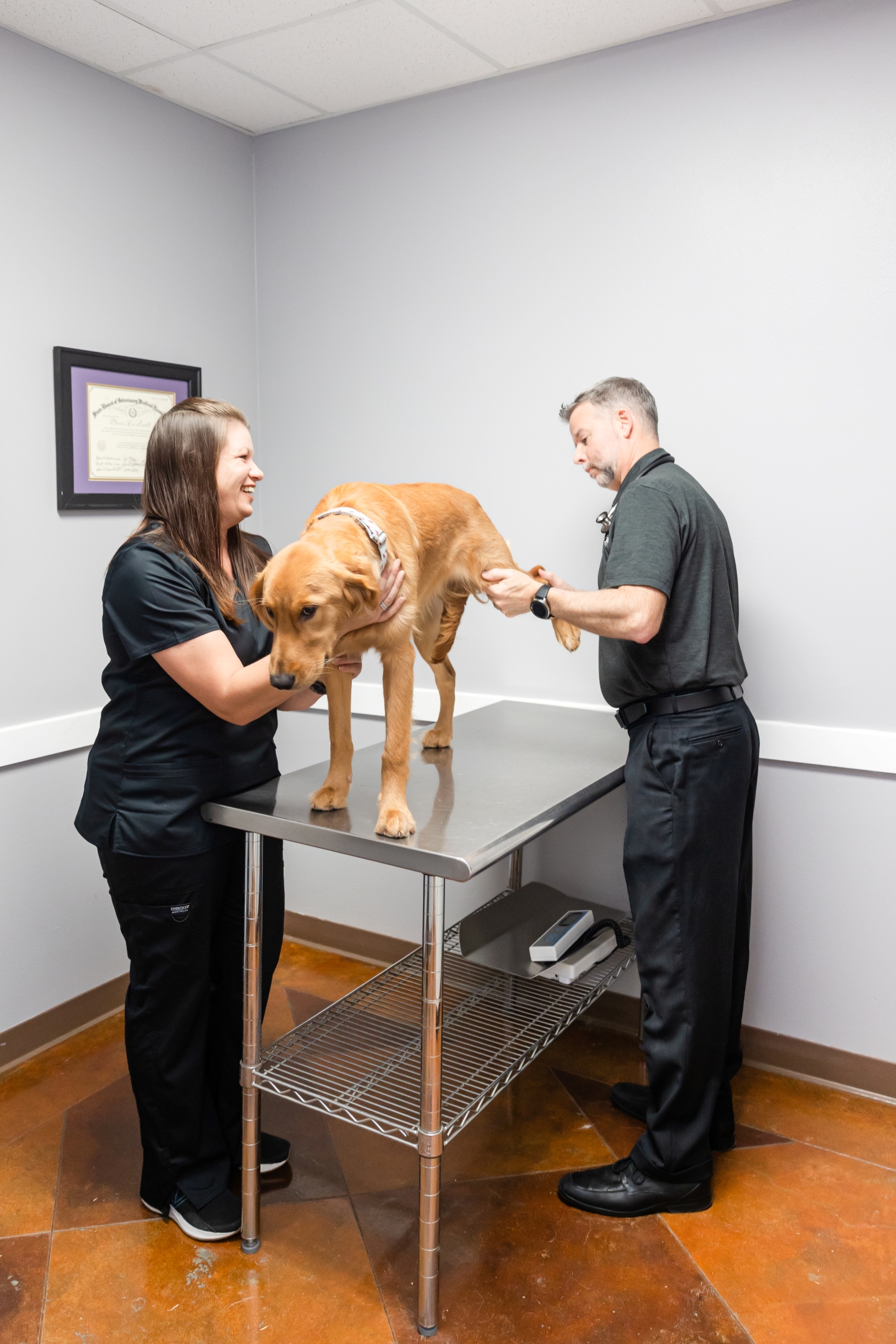
No preventive plan is one-size-fits-all. A subset of pets has special considerations that require tailored attention. For young puppies, the immune system is still maturing, and exposure risks may be higher in social settings such as puppy classes or dog parks. In these cases, vaccination timing and exposure planning become a balancing act between social development and infection prevention. For senior pets, the immune response to vaccines might be more variable, and veterinarians often adjust schedules or add supportive measures to help the animal cope with mild vaccine reactions or the stress of travel and boarding.
Allergic pets or those with chronic respiratory conditions warrant additional care. If a dog shows a persistent cough when pollen counts are high or if a cat experiences chronic sneezing with nasal discharge, the clinician might suggest a multi-pronged approach that includes diagnostic testing to rule out allergies, infections, and even less common conditions like nasal tumors in older animals. The point is not alarm but disciplined assessment. The right path emerges from a thorough exam, a candid discussion about lifestyle, and a plan that can be followed steadily.
Practical Chronology: A Sample Season
Imagine a family with two dogs and a cat who plans several boarding visits during the holiday season. The first step is a quick check with Prairieville Animal Hospital to confirm vaccination status, especially for the dogs. The team might review the canine influenza vaccination history, confirm booster timing, and discuss whether an upcoming boarding stay warrants a temporary plan that includes vaccination and perhaps a short quarantine period before the trip to minimize the risk to other animals in the facility. The second step involves a household hygiene refresh: verify that water bowls are cleaned daily, that dog toys are rotated and sanitized, and that the cat’s litter boxes are cleaned consistently. The third step is education. The family receives reminders about recognizing the early signs of respiratory illness, what constitutes a normal appetite and activity level, and when to call the clinic with concerns. The fourth step is follow-up. After the boarding stay, a quick check-in with the veterinary team ensures that all pets recovered as expected and that no delayed symptoms are appearing.
The practical takeaway from that scenario is simple: plan ahead, keep vaccinations current, and maintain a standard of daily care that reduces risk. Flu prevention is not a dramatic intervention but a steady routine that aligns with how people live with pets. It is the small, repeatable choices that accumulate into a shield strong enough to weather seasonal challenges.
A Note on Communication and Community Health
People often underestimate how their decisions affect not just their own pets but the broader animal community. When a household practices vaccination and good hygiene, they lower the chance of transmitting again to neighboring animals at parks, fairs, or social events. Prairieville Animal Hospital encourages open conversation about the risks specific to your environment. If you host a monthly dog meetup, for instance, a clinician can provide a quick health-check checklist, advise on vaccination status, and explain how to facilitate responsible socializing without creating unnecessary stress for the animals.
In clinics, the conversations do not end with a single visit. They become long-term relationships built on mutual trust and shared goals. The client learns which signs matter most, and the veterinarian obtains a clearer context for decision-making. The outcome is better health trajectories for pets and less uncertainty during times when respiratory illnesses appear with little warning.
Practical Recommendations for Pet Owners
- Prioritize vaccination where indicated by the veterinarian and keep booster schedules on track. In households with high exposure risk, consult about timing relative to social events or boarding.
- Create a home hygiene routine that minimizes cross-contamination. Wash hands regularly after handling animals, sanitize shared spaces, and maintain clean feeding and sleeping areas.
- Plan for seasonal risks. Be aware that canine influenza tends to surface in dog populations more prominently in certain months, and that indoor living can influence feline respiratory health in ways that vary year to year.
- Monitor subtle changes. A slight dip in energy, a shift in appetite, or a cough that lingers beyond a few days deserves a vet’s eye. Early assessment often prevents progression to more serious illness.
- Communicate with the clinic. Use Prairieville Animal Hospital as a resource for tailored guidance, vaccination schedules, and help with decision-making around activities that involve other animals.
Closing it out with a pragmatic outlook
Flu prevention for pets blends science with everyday living. It is not a panic-driven regimen but a steady, informed practice that respects the rhythms of pets and people alike. The team at Prairieville Animal Hospital brings years of experience to this work, translating complex concepts into actionable steps that fit busy lives. The goal is not perfection but reliable protection that lets pets keep doing what they love—exploring, playing, and sharing lives with their human families.
If you are considering a plan for your dog or cat, a quick consultation with a Prairieville Animal Hospital veterinarian can illuminate the options most appropriate for your situation. Whether you are preparing for a boarding stay, planning for a trip to a dog park, or simply maintaining daily routines, the right preventive steps reduce risk and support a healthier, happier household. The shared aim is straightforward: fewer illnesses, faster recoveries, and a deeper sense of confidence in how we care for our animal companions.