The Prairieville Animal Hospital Veterinarian Team and Client Communication
@travisipsa171
Communication sits at the heart of good veterinary care. For a clinic like Prairieville Animal Hospital, the relationship between the veterinarian team and clients shapes every outcome, from the moment a first appointment is booked to the quiet satisfaction of a successful recovery. Over years of practice, I’ve watched how small shifts in how we talk and listen can transform trust, adherence, and even the daily flow of a busy animal hospital. This piece explores what a strong veterinary team looks like on the ground and how that team translates clinical knowledge into clear, compassionate communication with clients.
The essence of the Prairieville approach is simple enough in theory: every pet deserves care that is technically excellent, ethically grounded, and conveyed with honesty. Yet the practice lives in the daily rhythms of front desk conversations, in-room explanations, and the follow-up calls that echo after a difficult diagnosis or a routine vaccination. It’s in those moments that clients decide whether they feel heard, reassured, and prepared to participate in their pet’s care. The team composition matters, the workflows matter, and the language we use matters just as much as the medicine we prescribe.
A veterinary team that communicates well starts with clarity among the staff. At Prairieville Animal Hospital, we rely on a cohesive understanding of our objectives: accurate diagnoses, transparent treatment plans, and timelines that fit real life. The technical side of veterinary medicine is complex, and clients come with their own kinds of expertise—some know the cost and logistics of a procedure, others know only what their pet’s behavior is telling them. The clinician who can bridge those worlds is the clinician who earns trust without talking down to anyone.
The practical side of this trust-building is often about shared language. It’s not enough to say that a dog has Lyme disease or a cat has chronic kidney disease; clients want to know what this means in daily life, what to expect next, and how to prepare for potential changes. Our veterinarians at Prairieville Animal Hospital aim to translate laboratory numbers into daily decisions, without overcomplicating the message or losing the nuance that matters for care. This requires a careful balance of technical explanation and plain-language guidance, delivered at a pace that respects the client’s emotional and cognitive load.
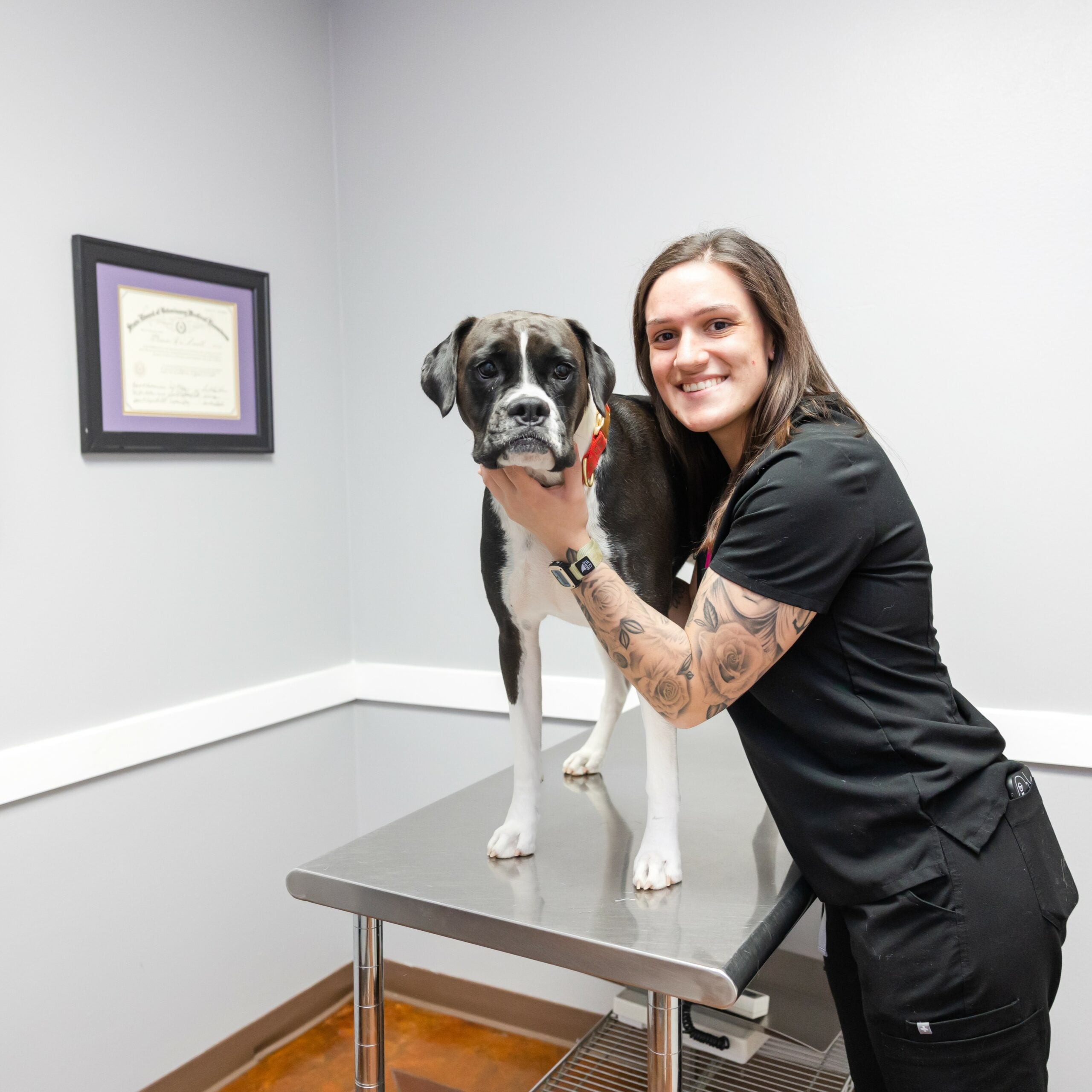
From the receptionist who fields the first phone call to the technician who handles the initial triage, every member of the Prairieville team plays a role in shaping the client experience. A well-coordinated team reduces anxiety for clients and results in more precise, timely care for pets. The chain of communication should flow like a well-lubricated mechanism: information gathered before the appointment informs the consultation, questions asked during the visit refine the plan, and the follow-up conversation confirms understanding and adherence.
The core of client communication is listening. It sounds obvious, but listening well is a craft. We train our team to listen not just for symptoms or questions, but for the client’s implicit hopes and worries. Some pet owners are anxious about costs; others fear a difficult prognosis. Acknowledging those emotions early creates space for collaborative decision making. When a client says, “I want what’s best for my dog, but I’m worried about the price,” the goal is not to push an expensive option but to present a transparent spectrum of choices, with the rationale and likely outcomes. In practice, that means offering a tiered set of recommendations, explaining the risks and benefits of each, and inviting questions without pressure.
The Prairieville model also emphasizes continuity. Clients return more readily when they see familiar faces, hear consistent voices, and experience the same care philosophy across visits. This is not about rigid repetition; it’s about predictability in a good sense. If a client knows that every contact point—from the appointment reminder to the post-visit care instructions—will be consistent in tone and information, they can focus more on learning and decision making rather than decoding the process. We strive for that consistency without rigidity, allowing the team to adapt to the patient’s needs while preserving a stable information channel for the client.
The human element matters just as much as the clinical one. The veterinarians at Prairieville bring real-world experience to the table: who has seen what diseases at what ages, what management strategies work in suburban households, and where the common misunderstandings arise. This depth of experience informs careful, practical conversations with clients. A clinician who knows the day-to-day realities of feeding schedules, exercise routines, and the financial constraints of keeping a pet healthy can tailor discussions to what the client can realistically do. The result is a plan that’s not just medically sound but also actionable in the client’s home environment.
One of the most valuable skills a veterinary team can offer is the ability to prepare clients for decisions ahead of time. This requires proactive communication, not reactive explanations. When a case heads toward a potential surgery or a complex diagnostic workup, we begin outlining what the process will entail early on. We describe the steps, the expected timelines, the possible risks, and the contingency plans. A client who understands the pathway before a critical moment arrives feels less blindsided when the unknown becomes real. That sense of anticipation—without fear—keeps the relationship between clinic and client collaborative rather than adversarial.
The following sections explore practical aspects of how Prairieville builds strong lines of communication, from the moment an appointment request is made to the long-term care plan that follows a major medical event. Along the way, we’ll share concrete examples, the kinds of miscommunications we’ve learned to avoid, and the small but meaningful rituals that keep a busy veterinary practice humane and effective.
The front desk as a communications hub
The first contact with any animal hospital often happens at the desk. The tone set by the receptionist can precondition a client’s experience for good or for ill. At Prairieville Animal Hospital, front desk staff are trained to gather essential information efficiently while conveying empathy. A quick, structured intake helps the veterinarian prepare for the appointment without wasting time or making the client feel rushed. For example, a routine well-pness exam for a mixed-breed dog involves updating vaccines, noting any new concerns, and confirming the pet’s current medication list. The receptionist will confirm the name of the pet, the age, the breed if known, and any changes in appetite or activity since the last visit. Small details can prevent miscommunications later, such as a medication that might interact with a vaccination protocol, or a recent change in the pet’s weight that could alter anesthesia calculations if a dental procedure is planned.
Even in busy days, the aim is to create a sense of calm and competence. Clients picking up a prescription or scheduling a future appointment should feel that their time is respected and their questions answered. A well-timed reminder call or text, a courteous email, and a clear set of options for the next steps all contribute to the patient’s journey. We also recognize that some clients prefer digital channels for convenience, while others value direct human contact. Prairieville therefore offers a mix of communication modes to accommodate different preferences, always prioritizing clarity and accessibility.
In-room conversations that honor families, not just pets
Once a client and pet enter the exam room, the real work begins. The veterinarian places the pet on the table, reads the room’s energy, and starts by listening. A good exam is less about telling the client what’s wrong and more about jointly identifying what matters most to the family. If a dog has a limp and the owner worries about a trip to the mountains, the conversation might shift toward a practical management plan that preserves travel schedules while addressing the pain. If a cat has been hiding and is clearly stressed, a calmer, slower approach may be necessary, perhaps suggesting a home-environment assessment alongside a diagnostic plan.
A hallmark of Prairieville communication is documenting plainly and precisely. The veterinarian will outline the diagnosis or working differential, the recommended tests, and the expected timeline for results. The client receives a written plan that mirrors the in-room discussion, with bullet points kept to essentials and a straightforward rationale for each step. This approach reduces the chance of misinterpretation when the client returns home and begins the actual care routines.
In addition to the medical plan, practical daily life questions come into play. Many pet owners want to know about feeding, activity, and signs that would require urgent care. The veterinarian, therefore, frames information in terms of what the client can observe at home, what constitutes an emergency, and how to contact the clinic during evenings or weekends. The emphasis is not fear mongering but rather preparedness. Pets do best when families feel confident in recognizing subtle shifts in behavior, appetite, or energy, and know exactly how to respond.
The team around the exam room supports the core message. A skilled technician or a nurse may take notes, demonstrate how to administer medicine, or show the owner how to check a cat’s temperature or a dog’s limp at home. This practical coaching is the bridge between clinical advice and real-life action. It’s not enough to tell a client to give a medication with food; we demonstrate the correct technique, the recommended timing, and how to store the medication safely. These demonstrations, when done with patience, help prevent common errors that undermine treatment effectiveness.
Follow-up and the art of the gentle nudge
Vet visits don’t end when the pet leaves the building. Follow-up is where many good outcomes are sealed and where miscommunications often emerge. Prairieville places a strong emphasis on timely check-ins after procedures, tests, or new diagnoses. A nurse or a veterinarian will call or message to confirm that the client has started the prescribed treatment and to answer any questions that have arisen in the minutes or hours after the visit. The goal is not to police compliance but to support adherence through reassurance and clarity.
The follow-up conversation also serves as a chance to adjust plans. If a surgery recovery is slower than expected, or if a home management routine proves challenging for a particular family, we revisit the plan and explore modifications. This might include adjusting medications to reduce side effects, proposing alternative therapies, or scheduling a rapid recheck to reassess the patient’s status. It is during these moments that trust deepens. Clients learn that the clinic is a partner rather than a gatekeeper, which in turn encourages proactive communication.
We do not rely on one-off calls for complex cases. Our approach includes a shared care folder that travels with the patient’s records. When a client rebooks or follows up after a critical event, the receiving clinician can quickly review the history, understand prior discussions, and continue the conversation without making the client repeat themselves. Continuity reduces stress and saves time, letting the client focus on the pet’s well-being rather than logistics.
The veterinarian perspective: clear, practical, and human
For the practicing veterinarian, communication is a diagnostic tool as much as a writing instrument. The ability to articulate uncertainty is a strength, not a weakness. In medicine, many conditions exist on a gradient rather than a binary. Communicating that gradient—what is known, what remains uncertain, and what will be done next—helps clients hold steady through a period of evaluation. This is particularly true for chronic diseases, where management often blends diet, medications, environmental changes, and routine monitoring.
A veterinarian who explains a condition in accessible terms and then ties it back to concrete actions can empower a family to participate actively in care. For instance, describing the pathophysiology of kidney disease in a cat is less important than explaining what to watch for at home, how to adjust a feeding plan, and when to seek urgent care. The clinician remains honest about the limits of what can be achieved with current therapies and candid about the practical trade-offs involved in any treatment plan.
From the clinical side, there are always constraints to balance: the patient’s needs, the client’s resources, and the clinic’s capacity. At Prairieville, we treat these constraints as information rather than barriers. If a recommended diagnostic test is out of reach for a family, we present alternatives—perhaps a less expensive test that can still provide essential guidance, or a staged approach that prioritizes the most critical questions first. The tone stays collaborative, never coercive. It is as much a matter of ethics as it is of empathy.
Two practical examples illustrate this approach. Early in my practice, a client brought in a senior dog with subtle changes in gait, reduced appetite, and mild lethargy. We conducted a broad initial workup, including bloodwork and a urinalysis, and laid out three possible directions based on results. The client appreciated the layered information and the chance to choose among them, with the understanding that we would monitor and adjust as needed. The outcome was a tailored plan that addressed comfort and mobility while staying within the client’s financial framework. In another instance, a family with limited time and a high-energy cat needed a plan for postoperative recovery after a dental procedure. We offered a concise, time-efficient home care routine, scheduled follow-up calls, and a virtual visit option to reduce travel. The patient recovered well, and the client felt supported rather than overwhelmed.
Between patient care and client care, there is a practical balance to strike. The Prairieville team understands the realities of modern life: work schedules, transportation challenges, child care, and the complexities of juggling multiple pets. Communication is the mechanism by which we reduce friction. We design our processes to minimize the friction clients encounter, whether that means clearer written instructions, shorter but more frequent check-ins, or flexible appointment windows for those with demanding routines.
Two lists of practical considerations for clients and staff
-
What clients value in Prairieville communication
-
A clear, actionable plan at the end of each visit
-
Honest conversations about prognosis, costs, and options
-
Timely follow-up with answers to questions that arise after the visit
-
Consistency in messaging across the team
-
Respect for the client’s time and household constraints
-
What staff aim to deliver in every interaction
-
Preparedness anchored in the patient’s chart and history
-
A calm, respectful, and patient demeanor
-
Plain-language explanations supported by concrete examples
-
Documentation that mirrors the conversation and plan
-
Quick, reliable channels for questions and updates
These lists are not checkboxes to be filled once and forgotten. They are living guides that remind everyone in the practice that communication is an ongoing practice, not a one-time event. The aim is to keep conversations real and human while ensuring medical integrity and practical feasibility.
Navigating difficult conversations with dignity
There will be moments when a client faces a difficult reality: a chronic illness, a limited treatment window, or a prognosis that carries emotional weight. In those moments, the Prairieville approach is steady and compassionate. We acknowledge the emotional dimension without letting it derail the clinical conversation. We present options with their respective trade-offs, and we invite the client to ask questions and reflect. We avoid rushing decisions by offering time and space to consider the information and to involve family members or trusted friends in the discussion if the client wishes.
Difficult conversations are not disasters when handled with care. They become opportunities for shared decision making and for reinforcing the sense that the clinic is in the client’s corner. We remember that most families want practical steps and reassurance more than certainty. We can provide both by combining honest assessment with practical planning. The client can leave with a clear path forward, a sense of partnership, and a plan they feel confident implementing.
The Prairieville ethic: continuous improvement through feedback

No practice plateaus in the area of communication. Feedback from clients, gleaned through surveys, direct conversations, or informal contacts, informs every iteration of how we operate. When a client describes a confusing form, ambiguous instructions, or a long wait that felt unacknowledged, we listen and adjust. Sometimes the changes are subtle, like rewriting a form to remove medical jargon or adding a short video tutorial to demonstrate at-home care tasks. Other times they are bigger, such as restructuring appointment scheduling to reduce the time families spend in the waiting room.
The ethos extends to the team’s own growth. Regular internal reviews of communication practices keep the clinical voice grounded in real-world experience. We discuss what worked, what was misinterpreted, and where families struggled to absorb information. The aim is not to polish a perfect script but to cultivate a flexible communication repertoire that accommodates the diverse needs of Prairieville's clients and pets.
The long arc of care for the Prairieville family
For many clients, veterinary care is not a single event but a thread weaving through years of life with a pet. Prairieville treats care as an ongoing relationship rather than a series of isolated visits. The team’s commitment to clear communication supports that long arc. It helps families anticipate changes as a pet ages, recognize when to escalate care, and integrate veterinary priorities with shared life goals, whether that means keeping a senior dog comfortable during golden years or helping a kitten navigate the first weeks home with confidence.
In practice, the long-term relationship looks like proactive health maintenance paired with responsive care when problems arise. Vaccination schedules are discussed in the context of the family calendar, travel plans, and the pet’s lifestyle. Wellness screenings are planned with the inevitable milestones in mind, so owners know what to expect and when to return for rechecks. When an illness emerges, the team’s approach remains consistent: listen carefully, explain clearly, and outline practical options with generous space for questions.
The client’s perspective, earned through reliable, respectful communication, becomes part of the practice’s daily fabric. People stay with a clinic where they feel understood, where the information they receive is useful, and where the path forward is transparent. In the end, the bond between Prairieville Animal Hospital and its clients is built not on flashier technologies or louder claims, but on a dependable, humane willingness to talk plainly, listen deeply, and act with integrity.
A closing reflection from the field
If you walk into Prairieville Animal Hospital on a Tuesday afternoon, you’ll sense a quiet confidence in the air. It’s not confidence born of bravado but of practice—of teams who know their roles, the client’s concerns, and the pet’s needs as a whole. The team’s strength lies in the way they use language as a tool to connect, not a weapon to persuade. They recognize that every pet’s story is a family story, and the care plan is a collaboration across species and households.
The work of veterinarian and client communication is never finished, and that is precisely the point. Medicine advances, protocols evolve, and families adapt. The Prairieville approach honors that evolution by staying grounded in what is possible, what matters to the client, and what will keep pets healthy and families hopeful. It is a practical, experienced approach that respects both the science of veterinary medicine and the art of human vet near prairieville la communication.
Ultimately, the success of a veterinary practice rests on the daily acts of listening, explaining, and following through. Prairieville Animal Hospital demonstrates that when the team speaks with one voice and the client feels heard from the first call to the last follow-up, care becomes a shared journey. The pet benefits, of course, but the real reward is the trust that grows between families and caregivers—an enduring bond built on clarity, compassion, and competence.